Breast Reconstruction
Breast reconstruction is a deeply personal procedure designed to restore the shape and symmetry of breast following mastectomy or lumpectomy as treatment for breast cancer or genetic predisposition to breast cancer.
At Amaka Aesthetics, breast reconstruction is approached with surgical precision and compassionate care, prioritizing both physical restoration and emotional healing. Our board-certified plastic surgeon in the Nashville and Brentwood area, Amaka Nwubah, MD, works closely with each patient to create a customized plan that aligns with their goals, anatomy, and overall health.
Whether performed immediately folowing breast cancer surgery or years later, breast reconstruction can help patients feel whole again-on their own therms and timeline.
Breast Reconstruction At a Glance
- Procedure: Breast reconstruction is typically performed under general anesthesia. There are many techniques for breast reconstruction, including autologous or tissue-based (flap procedures) and implant-based. Dr. Amaka performs implant-based breast reconstruction. Nipple-areola reconstruction can also be performed when desired, and this can include surgical creation of the nipple mound or 3D tattooing of the nipple-areola complex.
- Potential Benefits: Restoration of breast shape and symmetry; improved body proportions; enhanced clothing fit; emotional healing and renewed self-confidence.
- Candidates: Individuals who have undergone or are planning a mastectomy or lumpectomy, as well as those with congenital breast absence or deformity are often candidates. A full review of medical history along with an evaluation during the consultation will be necessary to determine candidacy for this procedure.
- Recovery: Initial recovery generally takes several weeks, depending on the technique used. Swelling and tightness are common at first, but those effects should gradually improve over time.
- Timing Options: Reconstruction is usually performed immediately at the time of mastectomy or lumpectomy.
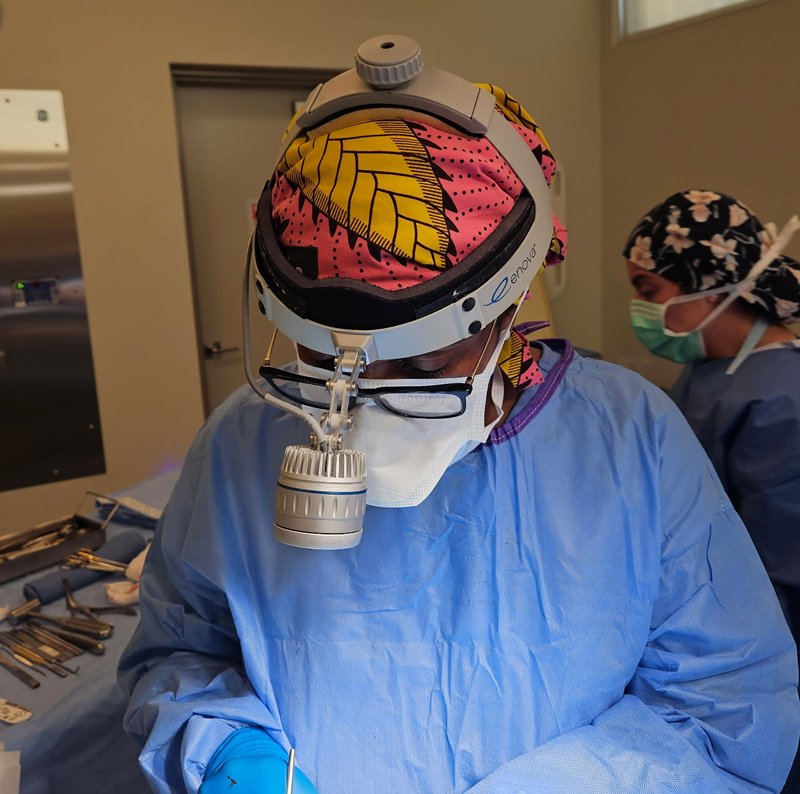
- Surgeon: Dr. Amaka is a board-certified plastic surgeon who is extensively trained and experienced with breast reconstruction procedures. She performs both aesthetic and reconstructive breast surgery, which has helped her gain a special eye in ensuring that each reconstruction is done with aesthetic principles kept at the forefront. Dr. Amaka personalizes every treatment plan and strives to achieve natural-looking, balanced results tailored to each patient’s body and goals. In recognition of her significant efforts in the field of breast reconstruction, Dr. Amaka has been awarded with two grants from the Plastic Surgery Foundation™.
What Is Breast Reconstruction?
Breast reconstruction is a surgical procedure that rebuilds the breast mound following mastectomy, partial mastectomy, trauma, or congenital absence. The goal is to recreate a breast shape that closely resembles the natural contour, proportion, and symmetry of the body.
Breast reconstruction is a common procedure. In fact, according to the 2024 ASPS Plastic Surgery Statistics Report from the American Society of Plastic Surgeons®, more than 162,500 breast reconstruction procedures were performed in that year alone.¹
Reconstruction can address one or both breasts and may also include procedures to refine symmetry, such as a breast lift, breast reduction, or breast augmentation on the opposite breast. In many cases, nipple and areola reconstruction or medical tattooing can further enhance the final result.
While reconstruction can restore shape and appearance, it is important to understand that sensation may not fully return, and results will not be identical to the original breast. However, many patients find that reconstruction plays a meaningful role in restoring confidence and supporting emotional recovery.
What Are My Breast Reconstruction Options?
There is no single approach to breast reconstruction. A variety of techniques and types of breast reconstruction are available, and the best option will be determined based on medical history, cancer treatment requirements, anatomy, and personal preferences.
-

Delayed vs. Immediate Reconstruction
Immediate reconstruction is performed at the same time as the mastectomy. This approach can reduce the total number of surgeries and may preserve more natural skin, often contributing to aesthetically favorable outcomes.
Delayed reconstruction is performed months or even years after mastectomy. This option may be recommended if radiation therapy is required or if a patient prefers to focus first on cancer treatment and recovery before pursuing reconstruction.
Both approaches can be highly effective, and the right timing depends on medical considerations and personal comfort.
-

Breast Reconstruction Techniques
Breast reconstruction techniques generally fall into two main categories:
Implant-Based Reconstruction
This approach uses saline or silicone breast implants to recreate the breast mound. In most cases, a tissue expander is placed first to gradually stretch the skin and make room for an implant. Implant-based reconstruction typically involves shorter surgery times and recovery compared to flap reconstruction procedures. This is the type of reconstruction that Dr. Amaka performs.Autologous (Flap) Reconstruction
Flap reconstruction uses the patient’s own tissue—often taken from the abdomen, back, thighs, or buttocks—to create a natural-feeling breast mound. Because it uses living tissue, this method can provide long-lasting results and a softer texture. However, it is generally a more complex surgery with a longer recovery period. Dr. Amaka does not perform this type of reconstruction.
What Does the Breast Reconstruction Procedure Involve?
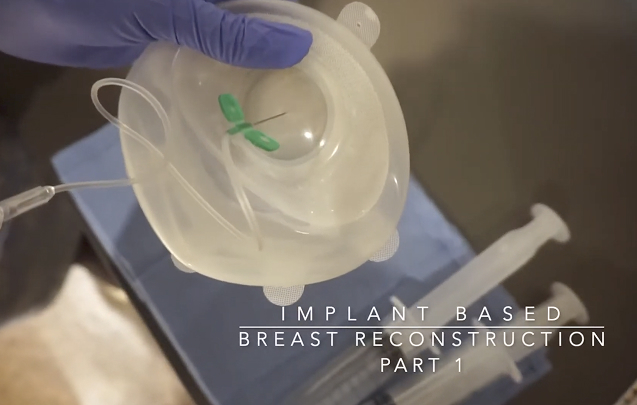
The specifics of surgery depend on the chosen technique. Implant-based reconstruction may involve placing a tissue expander, usually over the chest muscle (pre-pectoral), or using a direct-to-implant approach when appropriate. Over time, expanders are gradually filled to stretch the skin before being exchanged for an implant. This is called two-stage breast reconstruction. The first stage is placement of the tissue expander, over the muscle, using a matrix to support the tissue and skin. Over time, in the clinic, this expander is filled to the desired size. Usually three months after the tissue expander is filled, a second-stage reconstruction occurs, which involves removal of the tissue expander and placement of an implant. Sometimes, fat transfer is done to the breasts as well in this stage to help with the final result.
After the breast mound has healed and settled, refinement procedures may be performed to enhance symmetry or reconstruct the nipple-areola complex.
Throughout every stage, Dr. Amaka focuses on creating natural-looking contours that complement the patient’s body while prioritizing safety and meticulous surgical technique.
What Can I Expect During Breast Reconstruction Recovery?
Recovery experiences vary depending on the complexity of the procedure. Patients should expect swelling, tightness, and temporary discomfort during the early phase. Prescription medication, supportive garments, and careful activity restrictions help support proper healing.
Light walking is typically encouraged soon after surgery to promote circulation, but strenuous activity, heavy lifting, and upper body strain should be avoided for several weeks. Most patients return to non-strenuous work within three to six weeks, depending on the procedure performed.
Final results should gradually emerge as swelling subsides and tissues settle. Scars will continue to mature over several months and typically fade to a certain extent with time.
Consistent follow-up appointments and adherence to post-operative instructions play an important role in achieving the best possible outcome.
How Much Does Breast Reconstruction Cost?
The cost of breast reconstruction can vary significantly based on:
- The type of reconstruction performed (implant vs. flap)
- Whether the procedure is immediate or delayed
- The number of surgical stages required
- Anesthesia and facility fees
- Any symmetry procedures performed on the opposite breast
In many cases, breast reconstruction following mastectomy is covered by health insurance plans, though coverage details may vary. Our team can help guide patients through insurance coordination and provide a personalized cost estimate following consultation. Additionally, Amaka Aesthetics works with reputable third-party financing companies that can enable qualified applicants to pay costs associated with breast reconstruction over a series of installments. We will be happy to assist you with any questions you may have.
Breast reconstruction is not simply about restoring appearance—it is about helping patients move forward with confidence and a renewed sense of wholeness. Through thoughtful planning, advanced surgical techniques, and individualized care, Dr. Amaka supports each patient’s journey toward healing and restoration.
If you have questions, or if you would like to schedule a consultation with Dr. Amaka, please contact us today.